
trauma THERAPY in toronto, on
Is trauma disrupting YOUR LIFE?
Are you constantly on high alert, expecting the next crisis or catastrophe?
Do you frequently zone out and lose chunks of time without realizing it until later?
Do you have flashbacks to your trauma or nightmares about it?
Are your relationships suffering because your emotions are out of control, or you’re struggling to trust others?

Maybe you’ve been emotionally, physically, or sexually assaulted or abused. Or you could have been involved in a car accident or natural disaster, or gone through severe illness or a medical emergency. Or perhaps you’ve experienced through the sudden loss of a loved one.
Trauma can also be complex and the result of a series of incidents that occurred early in life, such as:
Childhood abuse (physical, emotional, or sexual) or neglect (basic or emotional needs being unmet)
Witnessing abuse
Living in an unstable home
Enduring persistent bullying or discrimination
Suffering religious harm
Whatever the source of your trauma, I can help you heal and reclaim your life.
If you have questions about trauma therapy, please send me a message, or feel free to book a free 15-minute consultation to discuss having me as your trauma therapist.
have questions? Contact me.
I’ll respond to you within 1 business day.
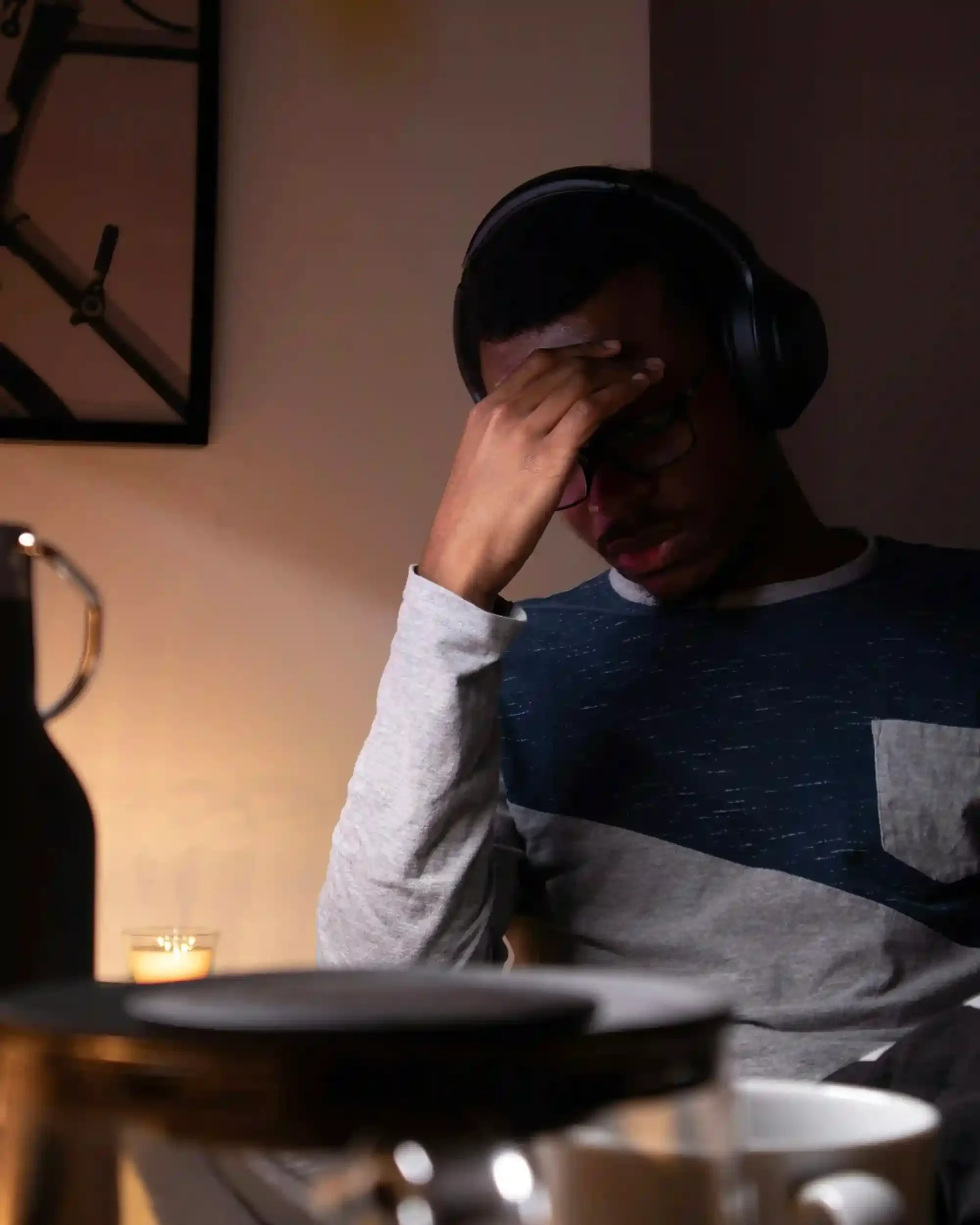
the impacts of trauma
The impacts of trauma are wide-ranging and create issues in many areas of life, including:
Emotional issues
Persistent emotional distress, such as fear, guilt, shame, anger, and helplessness
Emotional numbness, detachment from loved ones, or a loss of pleasure in previously enjoyed activities
Dissociation, a feeling of disconnection from your body or surroundings
Psychological issues
Negative self-perception and low self-esteem
Difficulty concentrating
Memory problems
Behavioural issues
Avoidance of people or situations that remind you of your trauma
Relationship difficulties, or issues at work or school
Substance use as a way to cope with symptoms
Physical issues
Sleep problems or nightmares
Racing heart, sweating, and being easily started
Headaches, digestive issues, and chronic pain
These issues can be very overwhelming, and make it hard to overcome trauma symptoms on your own.
I can help you to understand why you are reacting this way, and guide you towards ways of thinking and acting that support your healing from trauma.
Please contact me to ask questions about trauma therapy, or to schedule a free 15-minute consultation.
have questions? Contact me.
I’ll respond to you within 1 business day.

your trauma is not your fault
Many people struggle with blaming themselves for their traumatic experiences. This happens because survivors may try to make sense of the event by taking personal responsibility for it. Unfortunately, this tends to increase shame and guilt, which can lead to avoidance and withdrawal, slowing down the recovery process.
Experiencing trauma during childhood and adolescence is particularly challenging, because these are critical developmental periods where we are forming beliefs about ourselves, other people, and the world. Trauma disrupts this and puts us into “survival mode”, leading us to feel unworthy or damaged, and making it hard to trust others, or to have a stable sense of self.
Trauma therapy helps you to let go of shame and self-blame around what happened to you. You learn to trust yourself and to create a more positive self-image, which allows you to trust others and to build a meaningful life.

treating trauma
Trained in a number of effective therapies, I can help you heal from trauma using techniques from:
Cognitive Behavioral Therapy (CBT): helps you to identify negative thinking and behavioural patterns that drive your trauma symptoms, so that you can start to break the cycle and begin healing.
Emotion-Focused Therapy (EFT): guides you towards the core, painful emotions that typically sustain trauma symptoms — shame, guilt, and fear — and helps you to process and transform them, so that you can start the healing process.
Dialectical Behavior Therapy (DBT): gives you practical tools that you can practice to help you regulate your emotions, cope effectively, and build better relationships while recovering from trauma.
Internal Family Systems (IFS): helps you to identify and integrate the conflicting parts within yourself that produce pain and drive trauma symptoms, so that you can resolve these conflicts and heal from your trauma.
I recognize that everyone’s experience is unique, and so we openly discuss the techniques and approaches that work best for you, so that you have choice in your treatment.

maybe you’re considering trauma therapy, but you have some questions…
How long do I have to be in therapy?
Each client’s path is unique; however, you can expect to feel some relief and forward momentum after the first few sessions. From there, the length of your therapy depends on the type of trauma you are addressing. Single events tend to need shorter term therapy, whereas complex or multiple traumas tend to require longer term therapy.
The first phase of trauma therapy (establishing safety and coping skills) tends to require meeting more frequently; subsequent phases (processing and integration) can have more time in between sessions.
The length of your therapy is always your decision, and a discussion that we have together.
Do I have to re-experience my trauma in therapy?
No, reliving your trauma is not a requirement of therapy. We will focus on developing coping skills, so that you are not overwhelmed by your emotions and reactions. From there, we will work on helping you understand where these reactions come from, and how you can change them over time. If at any point you want to share details about your trauma, you are welcome to; however, that would always be your decision.
What are therapy sessions like?
In the first couple of sessions you tell me what symptoms you are struggling with, how they are affecting you, and how long they have been a problem. You also tell me about who’s in your life and how you spend your days, so that I can start to form a picture of what your life is like, and how I can help you.
From there, we work on developing coping skills so that you do not get overwhelmed by your symptoms and reactions. We work at a pace that feels safe for you, so that you feel supported in moving forward. As the sessions progress, you will get a better understanding of where your trauma reactions come from, and how you can process and transform them to live a fuller life.
have questions? Contact me.
I’ll respond to you within 1 business day.

You can heal from trauma
If you’re feeling hopeless and overwhelmed, therapy can teach you how to break free from your trauma reactions and live the life that you want.
Please contact me for a free 15-minute consultation to discuss having me as your trauma therapist.
Liam McElheron Psychotherapy Services offers in-person therapy for trauma in Toronto with virtual counselling sessions available across Ontario.
have questions? Contact me.
I’ll respond to you within 1 business day.